
The Honest Messy Truth about Healing from Perfectionism
Last week a commenter dropped a loaded question on a YouTube video:
I'd like to know how art has helped you deal with imperfection. I was raised under a parenting curriculum called Growing Kids God's Way. It was spiritually abusive and required parents to create rules for little kids for everything. No grace. I struggle with being an imperfect person. Thank God, Christ Jesus doesn't look at me the way I do. But dealing with perfectionism is EXHAUSTING. Any tips or tricks on how to accept life with all its imperfections?
I say loaded because—well—did you get a load of that? Read it again. He wants help with perfectionism. Perfectionism has many causes. It tortures you via internalized stigmas. It blocks you from living life fully. It is truly exhausting. Unfortunately, I have no tips or tricks for this. You must rework your patterns, slowly and intentionally, while getting to the heart of why perfectionism has such a strong hold on you. It’s tough!
When he mentions spiritual abuse, I suddenly know where he’s coming from. I know this journey inside and out. I know how hard it is to wade through the layers. For years I asked on repeat “is this lie or truth? Is this oppression or freedom? Is this love or hate? Is this from God or people?” each time I read a verse, heard a prayer, sang a song, or observed a tradition. I felt trapped, struggling in pharisaical extrabiblical webs. My conscience was twisted into self-hate, saying on repeat “you are always wrong. They are always right.”
The layers are messy. The healing is difficult. But the journey is essential. I don’t know where the commenter is at in his journey, so I’ll just share an overview of what’s important from my experience. Here are my four top recommendations for getting started:
Find a Therapist
If you can afford it, go to therapy. Start by requesting a list of in-network therapists from your insurance or getting recommendations from friends. In-person or telehealth therapy are both great options. You might want a Christian therapist specifically, someone who knows the toll of spiritual abuse, or maybe you don’t! Read the profiles of the therapists to get an idea of what they work with. It may take a few trial runs to find someone who clicks with you, but please stick with it. Finding a good therapist is a lifesaver.
If therapy carries stigma for you, you’ll probably need to push through a few barriers before you let yourself take even one step toward getting help. So let me give you a sense of what it’s like.
My first session with a therapist almost scared me off entirely. I sat in a waiting room, filled out the intake forms, and then sunk stiffly into an office couch while a lady sat across from me. She asked me about my family, and I could feel her prodding for what was wrong with them. I kept telling her that they were fine; I was the problem. I needed to fix myself. Having her push so quickly for me to rat out my family didn’t settle well with me; I didn’t go back.
My second session with a therapist made me nervous, but hopeful. I tried telehealth with someone from a recommended counseling network. Over a secure video call, I told her what I felt like I needed to work on. To my relief, she didn’t push me to rat on anyone. I told her that I wanted homework with clear, winnable goals. To my dismay, she said that she doesn’t do homework. She clarified how she works, focusing on accessing feelings and recognizing patterns, and gave me an out in case that wasn’t what I wanted. It’s likely she didn’t think I’d come back. But I did. She offered me a challenge I didn’t expect. I decided to take it.
Over the next few years, this therapist pushed me to face my inner world and gave me vocabulary to help clarify what I had been experiencing in my family and in my church. The more she prodded, the more free I felt to live life. To express myself. To make choices. To accept imperfection. To learn about my own needs and dare to fill them. To say no to harm, to say yes to growth and healing. Each month I faced challenges as well as I could; each month we talked over the hard things in a safe space. Your own process will look different, I’m sure, but I hope you feel encouraged.
Even if it takes a while to find a good therapist or if you don’t have the right insurance to get yourself a therapist, you can start taking care of yourself in other ways. There are a lot of resources out there.
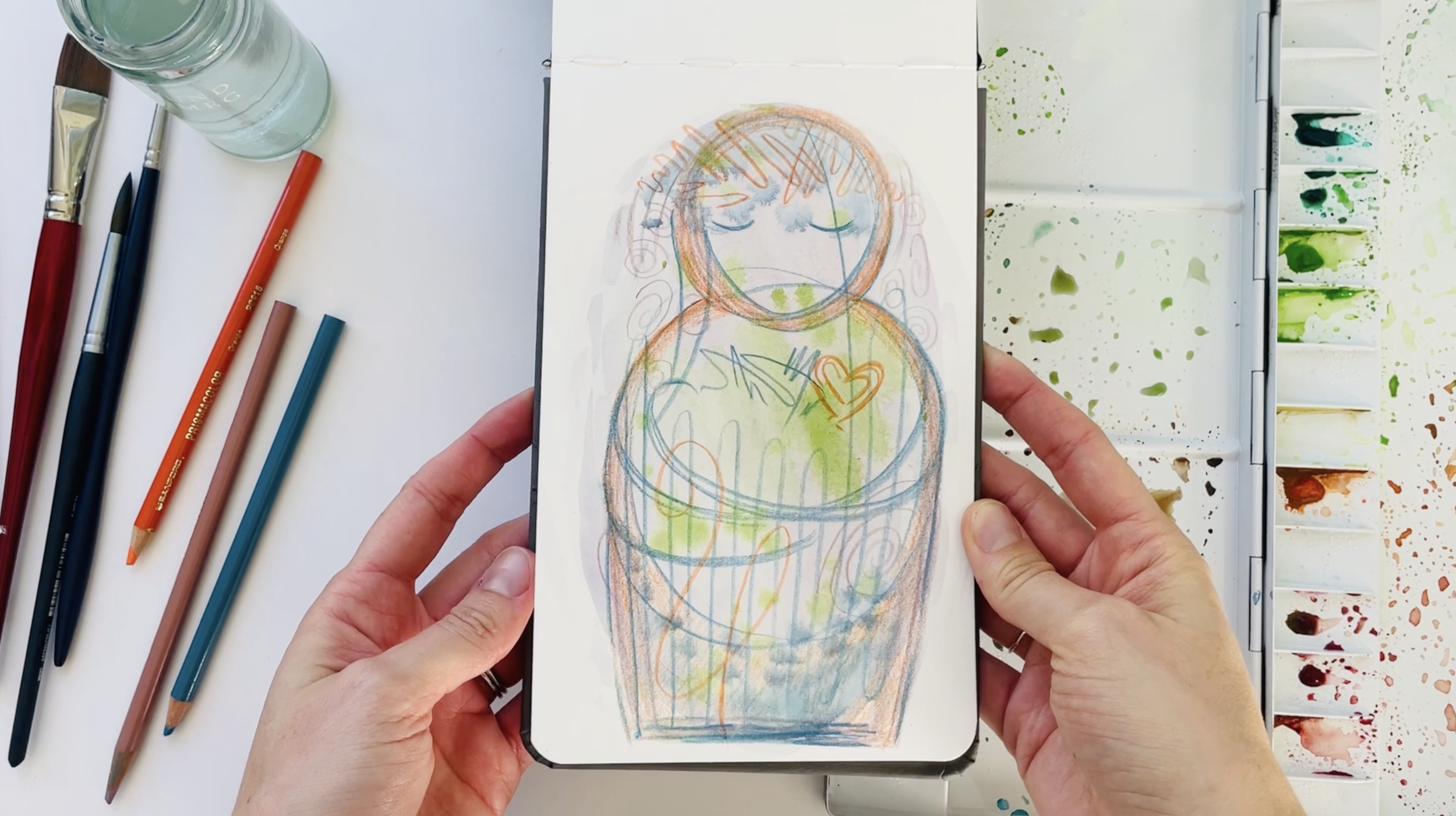
Learn What You Can
Before I found my therapist, I was driving home one day with an unnamed desperation welling inside my chest. I swerved into the Barnes and Noble parking lot and strode inside. As I browsed the shelves, I felt determined to find something to help. Religion. Self-Help. Psychology. I skimmed across Brene Brown’s books, vaguely remembered that I’d heard good things about that author, and pulled out Rising Strong. The book’s tagline read: How the Ability to Reset Transforms the Way We Live, Love, Parent, and Lead. Reset sounded right.
Now as I flip through, the first thing I underlined in the book sounds quite appropriate for today:
“When I see people stand fully in their truth, or when I see someone fall down, get back up and say, “Damn. That really hurt, but this is important to me and I’m going in again”—my gut reaction is, “what a badass.” There are too many people today who instead of feeling hurt are acting out their hurt; instead of acknowledging pain, they’re inflicting pain on others. Rather than risking feeling disappointed, they’re choosing to live disappointed. Emotional stoicism is not badassery. Blustery posturing is not badassery. Swagger is not badassery. Perfection is about the furthest thing from badassery.”
Reading the insights of someone who pays attention to how people live life, communicate, and try again when things go wrong, was immensely helpful. As a child, I heard of self-help books and psychology as something suspect. Worthy of scorn. But here I was, an adult who couldn’t seem to pull herself together, needing help and receiving help. It was amazing.
Other books followed: The Ruthless Elimination of Hurry by John Mark Comer, Say Yes: Discovering the Surprising Life Beyond the Death of a Dream by Scott Erickson, and A Curious Faith: The Questions God Asks, We Ask, and We Wish Someone Would Ask Us by Lore Ferguson Wilbert, Changes that Heal: Four Practical Steps to a Happier, Healthier You by Henry Cloud. The list could go on. Of those, Say Yes is the one I return to the most. Erickson’s insights, paired with his balance of approachability and wonder, are a relief to my tired heart. But all had their place in my healing journey.
Books aren’t the only place to learn about healing from perfectionism. YouTube has many therapists who share their knowledge with the public. My favorite will always be Patrick Teahan, who thoroughly explains the family systems that cause childhood trauma, ways that we can heal, inner child work, and so on. These videos helped me back up from daily minutia so I could see the bigger context of what was going on. And once I knew what was going on, I could decide what to do about it. That knowledge was powerful.
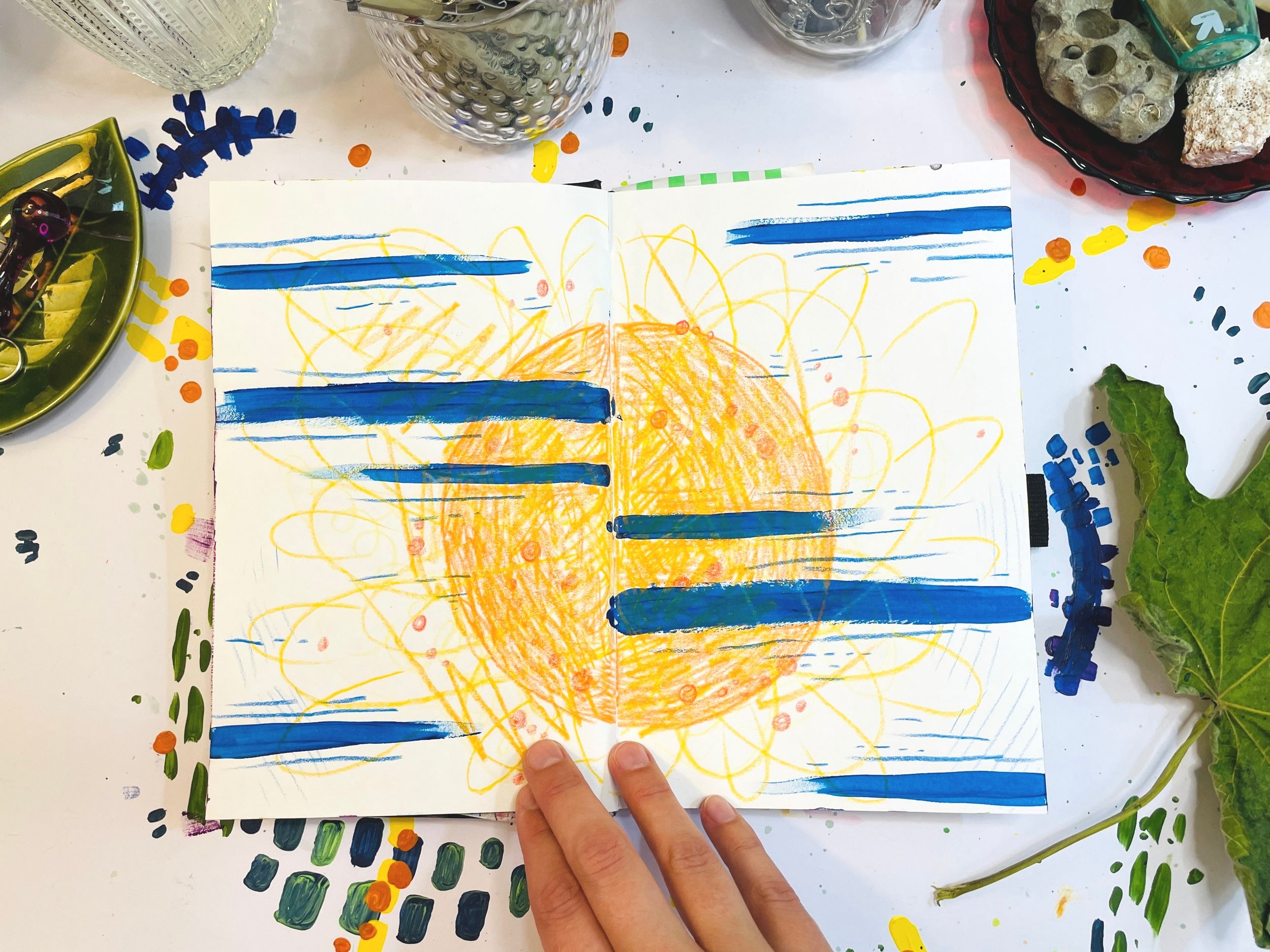
(Art is where we get to accept messiness as something that’s morally neutral.)
Do What You Can
I remember hyperventilating as a teenager. I was somehow dating a boy even though I didn’t know how to date. I received no help from the adults who, ironically, had told me many times just how protective they’d be if I ever dated. The excitement and confusion and stress was all too much and I broke that boy’s heart. (If you’re reading this, I’m sorry.) Years later, I was still hyperventilating. The lack of support got more painfully apparent as my needs grew deeper and heavier, until I was the one who broke. I was an adult with adult level struggles and no way of dealing with them. I didn’t know what to do.
Thankfully, all I needed to do was the little that I could.
Even if the efforts feel timid, weak, or insufficient, put healing into action. Embody the lessons you’re learning in small, tangible ways. For me, embodying these lessons meant picking up pencils and paints. Taking walks. Drinking coffee while watering my garden. Writing out prayers. Playing video games. Doing puzzles. Practicing yoga. Talking with friends. Observing how my inner dialogue changed, slowly, from hateful to peaceful, as I practiced self-care. Making mistakes became less terrifying. Taking my time to do tasks slowly and mindfully no longer triggered panic. Facing my struggles finally felt possible. It took a lot of hard work, but I could finally breathe again.
As you put what you learn into action, you are trusting in your brain’s neuroplasticity, “which is your brain’s ability to consistently form and reorganize neuronal connections and to rewire itself” according to Your Brain on Art by Susan Magsamen and Ivy Ross. This neuroplasticity is an amazing tool that responds to enriched environments with hands on experience. "When the arts become a regular practice—the way you might improve nutrition, increase exercise, and prioritize sleep—you unleash an innate tool that helps you navigate the peaks and valleys of your inner life."
When you draw, paint, scribble, or glue macaroni and lentils to some brightly colored cardstock, you are rewiring your brain. You are changing the neural pathways so they lead away from alarm and back toward peace of mind. I find that to be amazing. This process doesn’t require artistic skill. It doesn’t require perfection. It simply requires a bit of time, a bit of attention, and—as you fight the inner voice that tells you that you’re a horrible person and should stop now before you make a terrible mistake—a whole lot of what Brene Brown calls badassery.

Here’s where I dare offer my own work as a resource.
Scribble along to my YouTube videos. I admit that their quality varies, as I’ve learned more about audio and pacing and all of that, but the intent is always the same. Give people space for creative work and valuable processing.
Scribble outside the lines in one of my three coloring books. I am Enough: An Affirmation Coloring Book, Vibrant Minds: A Playful Personality Coloring Book, and Creative Escapes: Treehouse Coloring. Each of these is drawn with attention to how I can support the wellbeing of anyone who purchases it.
Before I continue, I have to clarify. I do therapeutic art, but I am not an art therapist. My work is not clinical art therapy. Though I would ideally like to gain an official education to back up my work, I am simply someone who recognized her struggles, got obsessed with psychology, then learned and learned and learned until she was able see the patterns in and around her. This process, alongside reading books and doing therapy, took five or six years. I hope my stubbornness can be a support to you as you process your own difficulties.

Go Kindness Hunting
As I started discovering that my pain was real and I needed help, I became more vocal. I expressed my concerns. I didn’t hide the wrongs I saw around me; I brought them into conversation and offered to be part of the solution. I expressed my difficulties with as much honesty as I dared. Sharing in this way became a litmus test. The people who didn’t want to deal with a broken version of me left my life and the people who had kindness for a broken version of me came into my life. They also recognized that the pain was real and they didn’t try to stamp it out. They simply made space for it to exist, even if it was uncomfortable. This generosity was life changing. I hope you get to experience that as well, as you dig into the layers of perfectionism and find the struggles that need to come to light.
As these people helped heal me, simply by being kind and patient, I felt strong enough to go kindness hunting in the Bible as well. For people who have experienced spiritual abuse, this is tough. Reading the Bible feels like returning to the scene of the crime. The Bible is supposed to be an immense source of love. But when the verses are weaponized, they become a tool to make people feel worthless and therefore easily controlled. Every time I opened it, I found that the verses came pre-layered with meaning, the way an old kitchen becomes grimy with sticky cooking oil and dust. It takes a lot of elbow grease and raw prayer to cut through the crap and get back to the original intent.
Even last week, I had to do this work as I listened to the sermon. One verse read triggered a fear in my mind and I immediately interpreted it as “God will only love you if you make yourself wretched.” From then on, my note taking turned toward scraping off the layers of unkindness that had taught me to read the verse as a call to self-flagellation, when it was intended to be a blessing. I wrote out what my instincts decided that the verse meant, questioned why I thought that, and then reworked the intent so I could intake the goodness of the verse and set aside the cruel implications that’d I’d collected along the way.
Intaking kindness can be difficult. But how else are you going to accept grace? Forgiveness of wrongs? The gift of friendship? When you don’t know how to accept kindness, your inner critic rejects goodness that God has decided should be yours, these external sources of goodness can show you the way. Community is here to offer the kindness that you don’t know how to show yourself.
If you do not have community to help you process spiritual abuse, The Deconstruction Doulas are a community of spiritual abuse survivors who are fighting to rebuild. It’s community work. Together they untangle the knots. Scrub the grease. Heal the wounds.
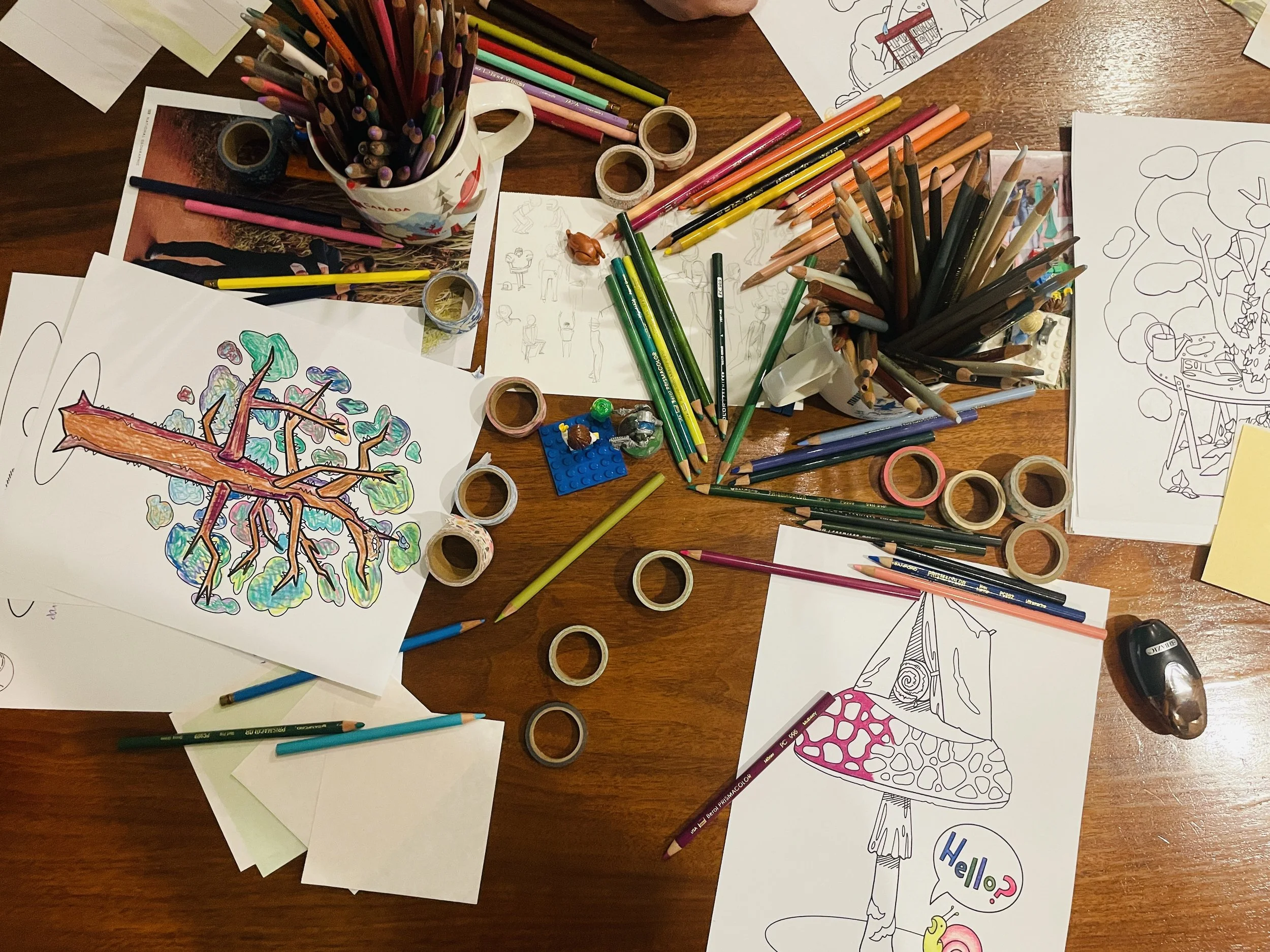
(For more processing, visit Therapeutic Art: Re-Humanized Perspectives)
Be Patient
If you’re experiencing a desperation-level need to escape perfectionism, there’s more going on under the surface. Perfectionism is a symptom. Instead of covering up the symptom with tips and tricks, you need to get to the core of the problem. That means doing the work of healing, which is slow, steady, and requires a lot of patience.
As you read books, go to therapy, dig into community, and learn to listen to your inner voice, you’re going notice feelings coming out of you. Ugly feelings that you’d rather keep bottled up. Child-self feelings that have hidden inside you since you were that little kid who needed follow the rules perfectly or else. It might take a long time, but you’ll learn to reparent that kid with such gentleness that he’ll finally know. Perfection isn’t a prerequisite for love.
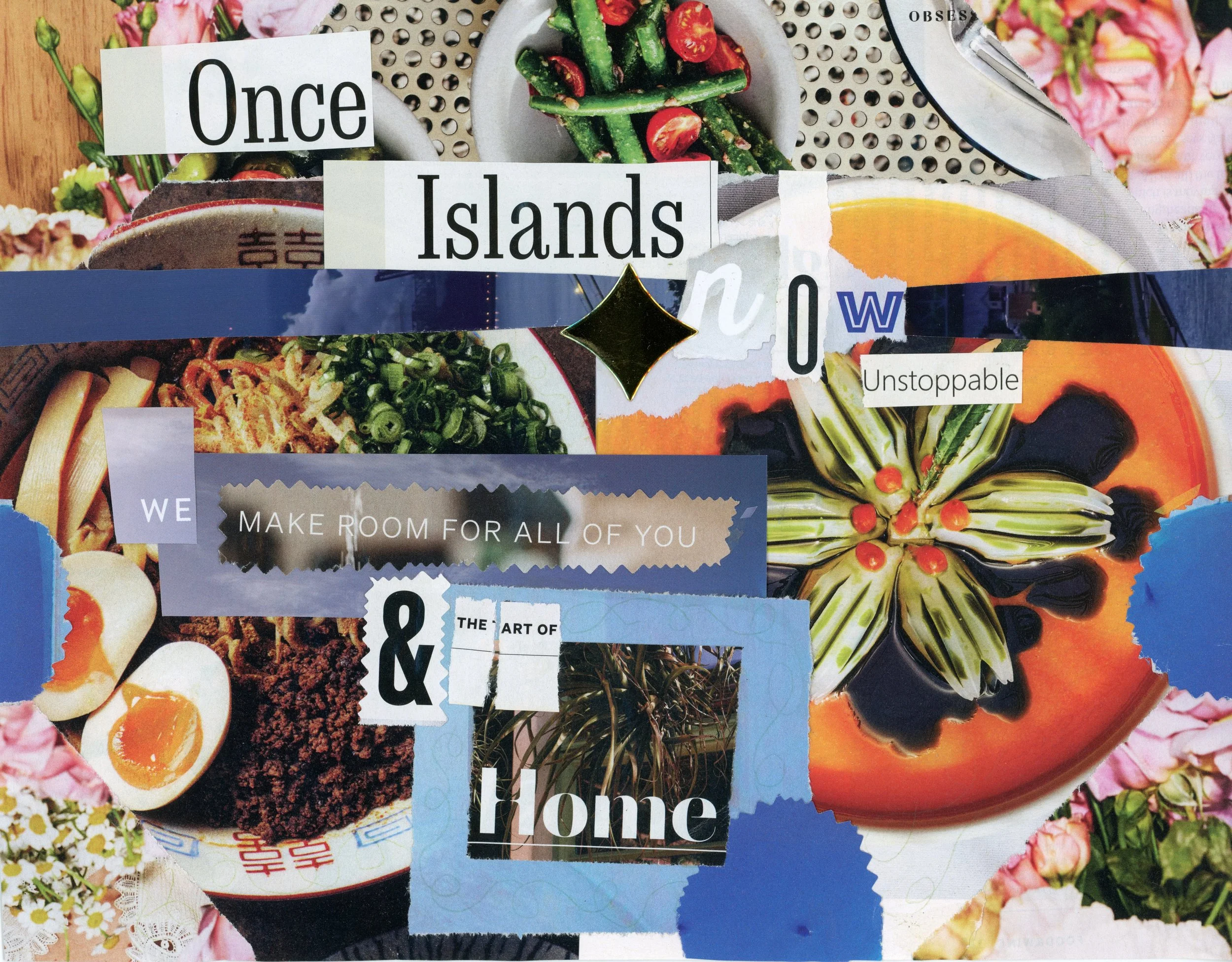
(For more processing, visit Frustration Redirected: Try This Therapeutic Art Project)
To see more of my work,
check out Creative Escapes,
subscribe to the newsletter,
and visit my YouTube channel.
Want these updates in your inbox?
I aim to send one newsletter a month, but sometimes they’re even less frequent.
I share what’s important, you get updates.
No extra busy work for me, no clogged email inbox for you.
Win, win.